


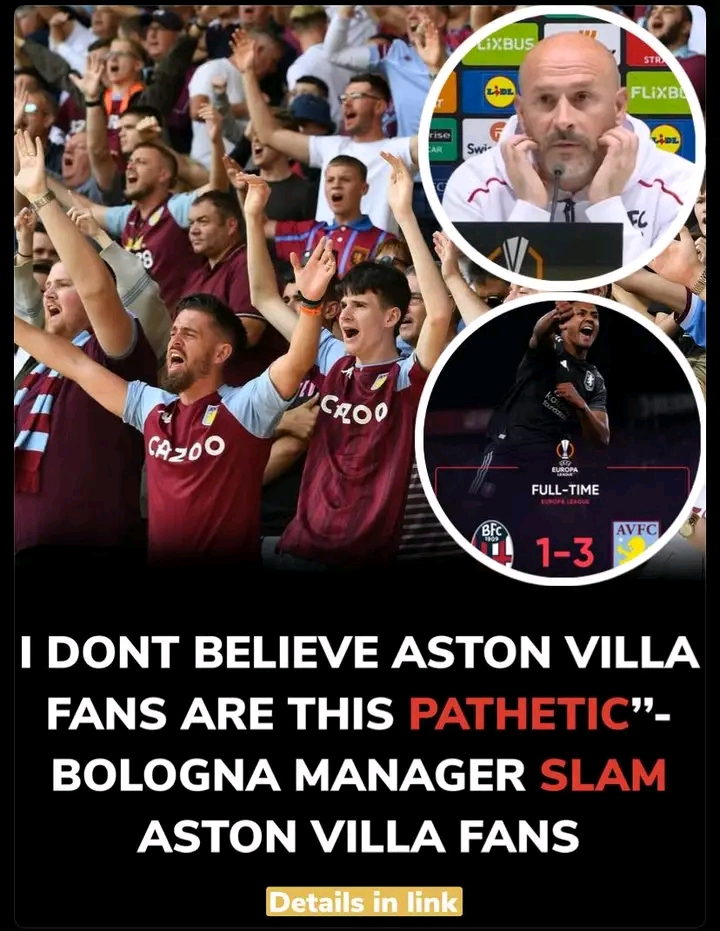
A viral moment has been circulating across football spaces after a viewer reaction to a stadium chant caught widespread attention, highlighting just how powerful atmosphere can be in modern football broadcasts. The quote, “I don’t even support them, but that chant is stuck in my head already,” has been widely shared by fans who say it perfectly captures the emotional pull of live match environments, even for neutral viewers.
In today’s football culture, stadium atmosphere has become almost as important as the game itself. With high definition broadcasts, enhanced audio capture, and global streaming, moments inside stadiums now reach audiences far beyond the stands. What used to be experienced only by matchday attendees is now felt by millions watching from home, and chants, songs, and crowd reactions often become defining highlights of a match.
This particular reaction gained traction because it reflects something many football fans quietly agree with but rarely express so directly. Even without allegiance to a club, the emotional weight of a well-timed chant, especially during a tense or decisive moment, can be unforgettable. The way supporters synchronize sound, rhythm, and timing creates an almost cinematic effect that lingers long after the match ends.
Reports and viewer discussions suggest that the moment in question occurred during a phase of the game where the crowd reached peak intensity. As the chant grew louder, broadcasters appeared to briefly lower commentary volume, allowing the stadium sound to dominate the broadcast. This type of production choice is not uncommon in modern sports broadcasting, where atmospheric authenticity is often prioritized over continuous commentary, especially during emotionally charged moments.
Fans online have since been debating what makes certain chants so effective. Some argue it is repetition and simplicity, while others believe it is timing and context within the match. When a team is pushing forward, defending under pressure, or celebrating a key moment, the crowd’s reaction often becomes a form of emotional amplification that intensifies the viewing experience.
Neutral viewers, in particular, often find themselves unexpectedly drawn into these moments. Even without supporting either side, the collective energy of thousands of voices can create a sense of involvement that transcends club loyalty. This is why many people recall specific stadium sounds years after a match, even if they forget the final score or key statistics.
The reaction also highlights the growing influence of fan culture in shaping football narratives. In the past, commentary and post-match analysis dominated how games were remembered. Today, however, short clips of crowd reactions and chants often go viral independently, sometimes overshadowing the match itself. Social media platforms amplify these moments, turning stadium sounds into global content within minutes.
For clubs, this kind of organic attention is valuable. It reinforces identity, strengthens fan engagement, and creates a cultural footprint that extends beyond results on the pitch. A chant that resonates with neutral viewers can become part of a club’s wider branding without any official marketing effort.
Ultimately, the popularity of this reaction underscores a simple truth about football. Beyond tactics, transfers, and trophies, the emotional connection between fans and the game remains one of its most powerful elements. And sometimes, all it takes is a single chant echoing through a stadium to remind the world why football continues to captivate so many.
