


Written by SportMics —Sports Amplified
📝 Full Feature — SEC Interim Coaches’ Struggles and Their Impact (Nov. 9–10, 2025)
The 2025 college football season has become a month-long coaching carousel — and in the SEC, that swirl of change is having real, measurable consequences. Over the Nov. 9–10 weekend, teams led by interim head coaches encountered turbulence that could reshape not just their bowl trajectories, but their futures in the SEC.
Interim Leadership in the SEC: Who’s in Charge (and Why)
Several SEC programs made midseason changes that thrust new faces into leadership roles:
LSU parted ways with Brian Kelly on October 26, promoting Frank Wilson, formerly associate head coach and running backs coach, to interim head coach.
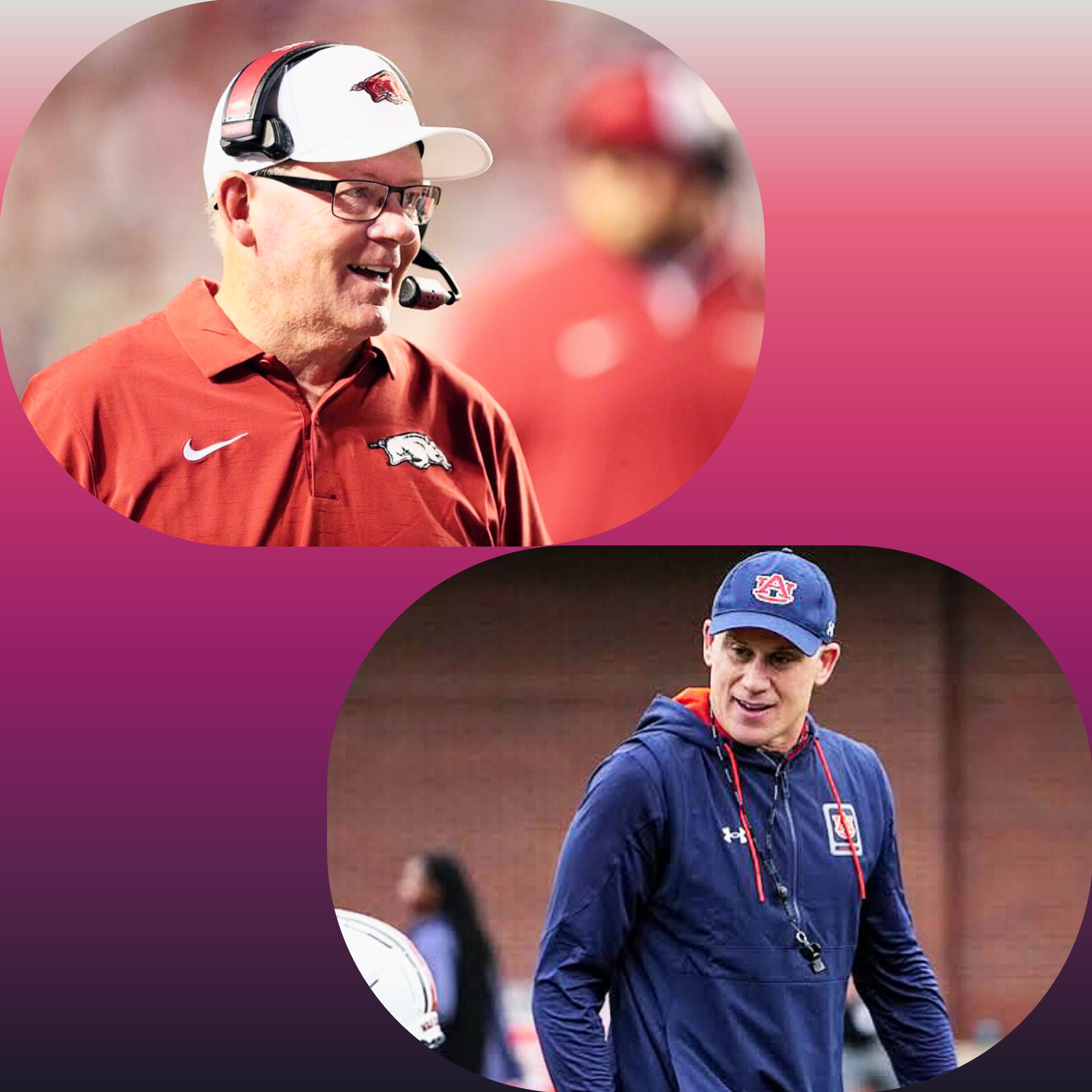
Auburn fired Hugh Freeze on November 2, turning to defensive coordinator D. J. Durkin as its interim head coach.
Florida, meanwhile, dismissed Billy Napier on October 19 after a 3–4 start, putting longtime receivers coach Billy Gonzales in charge on an interim basis.
Arkansas also moved to interim leadership earlier in the season, naming Bobby Petrino (a former head coach in Fayetteville) to finish out the year.
These changes reflect the high-stakes nature of SEC football: underperformance often leads to drastic leadership shifts, and interim coaches must navigate thin margins with limited runway.
Why the Weekend Was Rough for Interim-Led Teams
LSU — Wilson’s Tough Act
Frank Wilson took over an LSU program still feeling the effects of Brian Kelly’s departure. Kelly left the Tigers with a 5–3 overall record at the time of his firing. Facing Alabama — a perennial SEC power — in his first full stretch at the helm, Wilson had little margin for error. The Tigers’ struggles in that matchup highlighted how difficult it is to maintain stability during transition, especially in a division as competitive as the West.
Auburn — Durkin’s Steep Challenge
For Auburn, D. J. Durkin stepped in at a turbulent time. The Tigers’ season under Hugh Freeze had been inconsistent, and the midseason change came just as SEC competition intensified. Taking over with limited time to implantation, Durkin faced a steep climb: generate energy, rally a locker room, and begin to define a new team identity — all while fighting for bowl relevance.
Florida — Gonzales Keeping It Together
At Florida, the switch from Billy Napier to Billy Gonzales carries both symbolic and practical weight. Napier’s dismissal after starting 3–4 was about more than just record — it reflected frustration with direction, play-calling, and expectation. Gonzales, a veteran voice in the program, now has to stabilize recruiting, maintain morale, and prepare for the rest of the SEC slate — a tall order when your job is, by design, temporary.
What This Means for Bowl Projections, Playoff Hopes & Program Direction
Bowl Implications: Interim coaches inheriting the reins midseason face dual pressure: finish strong enough to secure a bowl berth and simultaneously audition for a permanent role. Losses during this stretch can sting in the eyes of both the administration and the fanbase.
SEC Standings and Pecks Orders: For LSU especially, a loss under interim leadership could worsen their path in an already crowded SEC West. Every loss tightens tiebreaker scenarios and could cost them a shot at a division title. For Auburn and Florida, sustained struggles might mean missing out on marquee postseason games.
Long-Term Impact: Whether these interims ultimately get promoted or replaced, how they fare during this stretch will shape recruiting, momentum, and program identity heading into 2026. A strong finish could position them as serious contenders; a collapse might accelerate a permanent coaching search.
Challenges Unique to Interim Coaches
1. Limited Time to Implement Systems
Many of these coaches were previously coordinators or assistants. They didn’t have a full offseason to install their system or bring in preferred staff. That makes early games especially difficult.
2. Roster Uncertainty
Players must quickly buy into a new leader midseason, all while knowing the “interim” tag may or may not be removed. That psychological tightrope can impact performance.
3. Pressure to Perform & Be Evaluated
Because interim coaches are often auditioning, every game becomes a job interview. That adds an extra layer of pressure — not just to win, but to demonstrate leadership, resilience, and connection with players.
4. Limited Long-Term Stability
Even if an interim coach does well, school administrations may still look for outside candidates. This uncertainty can make long-term recruiting commitments harder.
Why It Matters Now — Not Just for These Programs, But for the SEC
Power-Conference Reputation: The SEC is built on tradition, continuity, and elite performance. Coaching instability is a weakness that rival conferences will note.
Playoff Picture: If interim-led teams like LSU or Auburn can stabilize quickly, they could still climb in the SEC standings and potentially compete in big games. But if they wobble, it strengthens their opponents’ paths to playoff spots.
Fan & Donor Pressure: Every game during a coaching transition carries weight beyond wins and losses. Interim coaches need to balance performance with optics: how they lead, communicate, and energize matters to fans and boosters alike.
Bottom Line
For LSU, Auburn, and Florida, interim coaches took over with everything on the line — and the weekend’s struggles highlight just how difficult that can be in the SEC. These aren’t just placeholder roles; they are high‑stakes auditions, leadership tests, and survival missions, all rolled into one.
If these teams don’t stabilize quickly, they risk more than just a middling finish — they risk ceding ground in their programs’ future, bowl goals, and conference pecking order.
If, however, Wilson, Durkin, and Gonzales can steady the ship and deliver results, they could redefine their paths — and the trajectory of their programs — long beyond 2025.
Written for:
Sport Thread — Ignite Passion. Cover Sports. Inspire Greatness
