


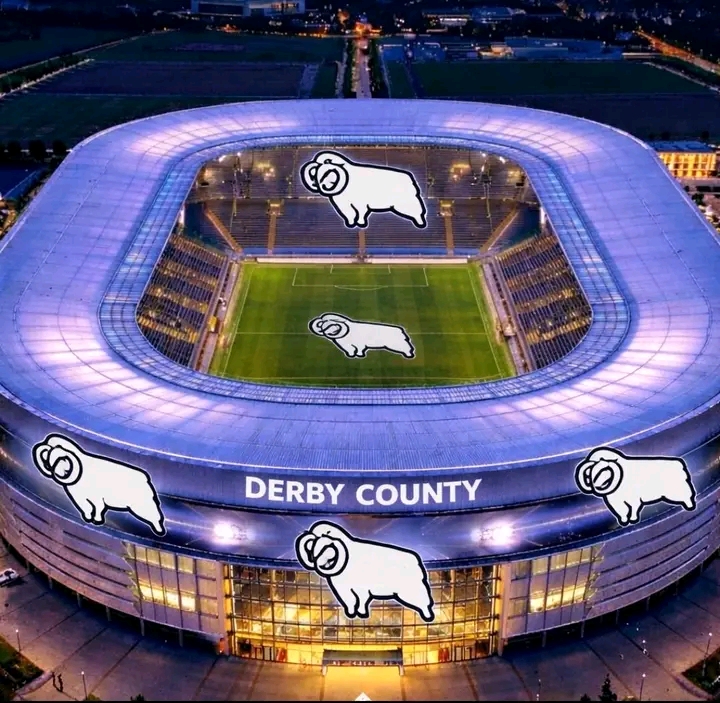
MEGA BOMB at Derby county! ⚽💣
are once again at the center of attention—and this time, it’s not just about football. Reports suggest the historic English club is planning a jaw-dropping infrastructure project valued at over $450 million, a move that could redefine its future both on and off the pitch.
The ambitious proposal is believed to focus on a complete transformation of the club’s facilities, including a major redevelopment of . Sources indicate that plans could involve expanding seating capacity, modernizing fan experiences with cutting-edge technology, and building state-of-the-art training complexes designed to rival Europe’s elite clubs.
For a club with such deep-rooted history, this project signals far more than just renovation—it represents a bold declaration of intent. Derby County, long striving to re-establish itself among England’s football elite, appears ready to take a giant leap forward. The scale of the investment suggests that ownership is thinking beyond short-term success, instead focusing on sustainable growth and long-term competitiveness.
Financial experts have already begun weighing in, with many suggesting that such a project could dramatically increase the club’s commercial revenue streams. From enhanced matchday income to hosting major events, concerts, and international fixtures, the revamped infrastructure could turn Derby into a multi-purpose destination, not just a football venue.
Equally important is the potential impact on the local community. A project of this magnitude would likely create thousands of jobs during construction and beyond, boosting the regional economy. Improved facilities could also inspire the next generation of footballers, strengthening grassroots development and reinforcing Derby’s identity as a footballing city.
On the sporting side, such an investment could make Derby County far more attractive to top-tier players and coaching staff. Modern training environments, world-class medical facilities, and an electrifying stadium atmosphere are key factors in competing with bigger clubs. If executed successfully, this project could bridge the gap between ambition and reality.
However, questions remain. Financing such a massive development is no small feat, and fans will be eager to see how the club plans to manage the investment without jeopardizing financial stability. Transparency and careful planning will be crucial in ensuring that this bold vision becomes a sustainable success.
One thing is certain: Derby County are dreaming big. If these plans come to life, the club could be on the verge of entering a completely new era—one that transforms them from historic contenders into a modern football powerhouse.
