


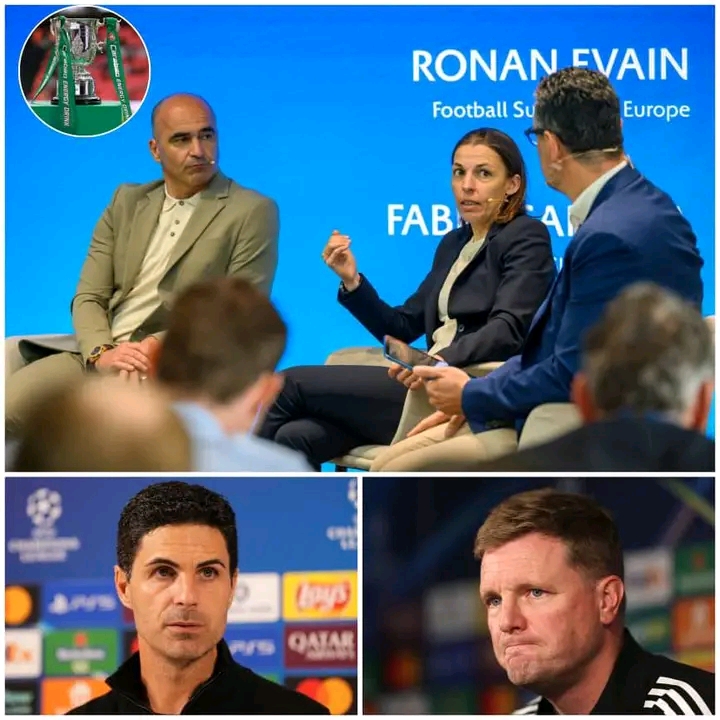
The announcement from the English Football League (EFL) that the quarter-final of the Carabao Cup between Arsenal and Crystal Palace will now take place on 23 December 2025 has set off a chain reaction of criticism and concern. Originally the tie was intended for the week commencing 15 December but because Crystal Palace have commitments in the UEFA Conference League, the fixture has had to be moved.
In its statement, the EFL didn’t pull any punches: it accused the growing European calendar of “undermining” the Carabao Cup and implicitly cast blame on UEFA’s expanding competition schedule for failing to adequately consult domestic leagues. The league said it recognises the frustration among managers and clubs and warned that repeatedly having to compromise is doing real damage to the reputation of the competition.
Between both clubs the timing is brutal. Crystal Palace will face Manchester City on 14 December, then KuPS in the Conference League on 18 December, and Leeds on 21 December — meaning that, with the Arsenal tie now on the 23rd, they might end up playing four matches in nine days. Arsenal themselves travel to Everton on 21 December, then host Palace two days later — with minimal recovery time. Manager Mikel Arteta has publicly expressed concern over the impact such scheduling has on player welfare and competitive fairness.
Why does this matter so much? Firstly, the Carabao Cup is not just another competition—it serves as an important revenue stream for lower-league clubs and offers supporters a route to Wembley. The EFL’s message is that by shifting fixtures under pressure from European scheduling, the domestic competition is being devalued. Secondly, the integrity of the competition is at risk: if big clubs are forced to play weakened sides due to tight schedules, or just can’t field their strongest line-ups, then the quality and prestige of the tie suffer. And thirdly, from a sporting point of view: fatigue, injuries and preparation all become major disadvantages when two games come in rapid succession.
There are also knock-on effects: For Arsenal, juggling Premier League ambitions alongside this cup and potential European involvement means they’re asking for schedule flexibility too. Arteta’s appeal to the Premier League to move the Everton fixture shows how intertwined domestic and continental pressures now are. Crystal Palace’s coach, Oliver Glasner, has gone so far as to call the proposed schedule “irresponsible.”
What happens next? The pressure is on multiple fronts: broadcasters want prime-time slots, clubs demand recovery time, leagues need fixture-lists sorted in advance, and UEFA competition dates are sacrosanct. The EFL’s call-out suggests it wants more of a seat at the table when European formats are being decided. Without that, domestic cups risk being treated as after-thoughts.
In short: this isn’t just about one match. It’s about fixture congestion, power-dynamics between governing bodies, club welfare, and the future of domestic cup competitions in a game increasingly dominated by European agendas. The shockwave from this scheduling row is likely to ripple beyond just Arsenal vs Crystal Palace.
