Six takeaways from college basketball’s NIL arms race: UNC is spending big, what is the ‘Duke discount’
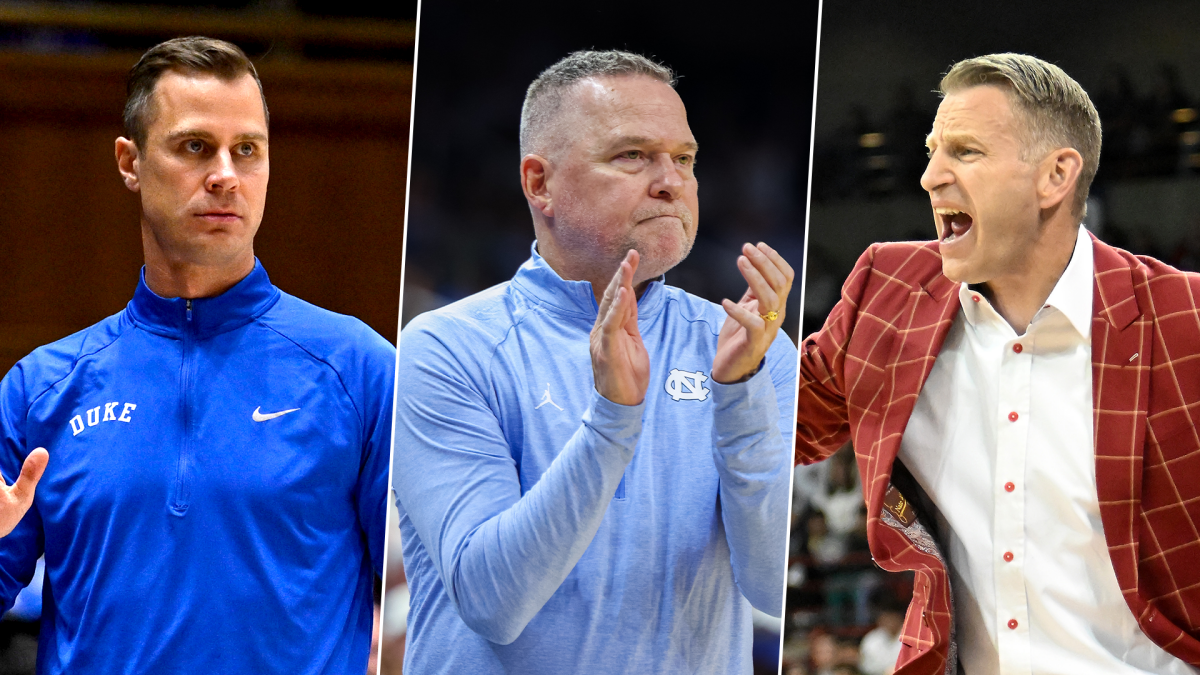
Six Takeaways from College Basketball’s NIL Arms Race: UNC Spending Big, The “Duke Discount” Explained
The 2026-27 college basketball season has laid bare the brutal financial realities of the Name, Image, and Likeness era. With roster spending now exceeding $25 million at the top end, the gap between the sport’s elite “whales” and the rest of the power conferences has never been wider. From North Carolina’s desperate $20 million gamble to the mysterious market advantage in Durham, here are the six biggest takeaways from the latest NIL spending tiers.
1. UNC’s $20 Million Gamble: Desperation or Necessary Investment?
North Carolina has officially crossed the $20 million threshold for its 2026-27 men’s basketball roster, a staggering 40% increase from the $14 million spent the previous season . This spending spree was not a luxury but a necessity driven by crisis. When new head coach Michael Malone arrived, he inherited a roster with only five returners and a program reeling from two consecutive first-round exits in the NCAA Tournament .
Because Malone was hired the very day the transfer portal opened, he had to build an entire team from scratch in a matter of weeks, forcing the program to overpay for talent in a competitive market . The result is a roster that CBS Sports places in Tier 1 (programs spending at least $20 million), alongside heavyweights like Duke, Kentucky, and Florida . However, unlike those peers, UNC enters the season unranked in the AP Top 25, leading to questions about whether the Tar Heels overspent for a team projected to finish fifth in the ACC .
2. The “Duke Discount”: Winning the Recruiting Battle Without the Highest Bid
The most controversial talking point in the NIL space is the “Duke Discount.” While Duke is undoubtedly a major spender, sources indicate the program does not have to offer the highest raw dollar figure to land elite talent. Multiple rival coaches admitted on background that they lost blue-chip recruits to Duke despite offering substantially more money than what the player reportedly accepted to play for Jon Scheyer .
The discount is fueled by Duke’s unique brand equity. The program offers a “1-of-1” marketing and branding setup that is unmatched in college basketball. For a player, wearing a Duke uniform provides immediate national exposure and long-term earning potential that a larger upfront NIL payment from a lesser program cannot match . Essentially, Duke can pay less in direct salary because the value of the platform makes up the difference.
**3. The Retention Advantage: Duke’s Ability to Keep Stars
Part of what makes the Duke model sustainable—and the discount possible—is the program’s surprising success in retaining high-level players rather than losing them to the portal or the professional ranks immediately. While Duke still lands one-and-dones like Cooper Flagg and Cameron Boozer, Scheyer has convinced key contributors to return for multiple seasons .
Players like Tyrese Proctor (three seasons), Caleb Foster (four seasons), and Kyle Filipowski (two seasons) chose to stay in Durham rather than chase potentially larger NIL deals elsewhere or stay in the draft . This retention creates a veteran core that stabilizes the roster and reduces the need to spend heavily on risky transfer portal acquisitions every spring, allowing Duke to allocate its funds more efficiently than programs like UNC that had to rebuild from zero.
**4. The Tier 1 Spending Club: $20 Million Is the New Barrier for Entry
The financial arms race has created a distinct upper class. According to CBS Sports, the programs that spent at least $20 million on their rosters this season include Duke, Florida, Kentucky, Illinois, Louisville, Michigan, St. John’s, Tennessee, Texas, Texas Tech, and North Carolina .
This figure represents a massive escalation from just a year ago when a $10 million roster was considered elite . The concentration of talent at the top is becoming extreme; while UNC spent $20 million, their roster is viewed as less talented than Duke’s or Louisville’s, illustrating that money alone does not guarantee cohesion or coaching success . For programs outside this top tier, competing for a national championship is becoming mathematically improbable without a significant donor uprising.
**5. The Transfer Portal Premium: Why UNC Had to Overpay
North Carolina’s spending spree highlights a critical inefficiency in the NIL market: the “transfer portal premium.” Because Malone had no time to recruit high school players and had to fill a roster immediately, he was bidding against the clock and other desperate programs .
The Tar Heels had to pay a premium for players like Terrence Brown and Neoklis Avdalas simply to ensure they had a competitive body on the court . This contrasts with Duke’s approach, which has largely built through high school recruiting (ranked No. 1 in 2024, 2025, and 2026 classes) and supplemented with targeted portal hits rather than wholesale roster overhauls . UNC’s $20 million investment reflects the “convenience fee” of building a team in three weeks rather than three years.
**6. The ROI Question: Does Money Buy Wins?
The ultimate takeaway from the 2026 spending data is that money is necessary but not sufficient. North Carolina’s $20 million roster is the only Tier 1 team not ranked in the preseason AP Top 25, placing immense pressure on Michael Malone to prove the investment was worth it .
Meanwhile, Duke’s ability to secure a “discount” and retain talent suggests that smart money management—combined with brand power—is more sustainable than pure spending. As the season unfolds, athletic directors will be watching closely. If UNC misses the tournament with a $20 million roster, it could trigger a reevaluation of the “spend-to-win” philosophy. Conversely, if Duke wins a title while spending less than the market rate due to the “discount,” it will cement the Blue Devils as the smartest operators in the NIL economy . The arms race is real, but the return on investment is still unproven.

Post Comment