


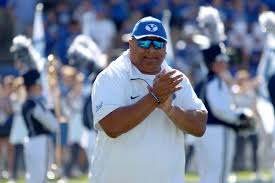
Stability, Culture, and Grit: The BYU Cougars Are Built in the Image of Their Head Coach
The modern college football program needs more than clever play-calling; it needs a steady hand that shapes culture, earns trust, and sustains belief through ups and downs. That’s exactly what defines the leadership of Kalani Sitake at BYU Cougars. His tenure has shown that programs don’t just win games—they build identities. And BYU’s identity is unmistakable: tough, disciplined, and grounded in togetherness.
Sitake’s greatest impact isn’t confined to Saturdays. It shows up in the way players talk about accountability, how assistants align around a shared vision, and how the locker room responds after setbacks. In an era of rapid roster turnover, continuity is a competitive advantage. BYU’s staff continuity and clear standards have helped stabilize development pipelines, allowing younger players to grow into roles without being rushed or lost in transition.
On the field, the Cougars reflect a coach who values physicality and adaptability. Game plans evolve week to week, but the baseline never wavers: win the line of scrimmage, protect the football, and compete on every snap. That clarity simplifies preparation and sharpens execution. Players know what’s expected, and that confidence shows in late-game resilience and situational composure.
Off the field, Sitake’s emphasis on character and connection strengthens recruiting relationships and alumni trust. Families want environments where athletes are developed as people as well as players, and BYU’s message resonates because it’s lived daily, not marketed selectively. The result is buy-in—an underrated currency in college sports.
The statement is simple and strong: BYU’s trajectory mirrors its head coach. When leadership is steady, culture compounds. Wins follow.
